
Reuse, Qualify, and Interoperate Your Systems Engineering Information Without Replacing Your Existing Tools
Connect tools, extract information, assure quality and traceability, enable interoperability, and measure performance across your systems engineering lifecycle - supported by proprietary AI
Reduce non-recurring engineering (NRE)
Ensure consistency across systems and programs
Scale MBSE across tools and teams
Gather a common information hub
Get the most out of AI
Solve your systems engineering challenges
Solve your systems engineering challenges
Systems engineering information tends to be isolated, fragmented, disconnected, and outdated
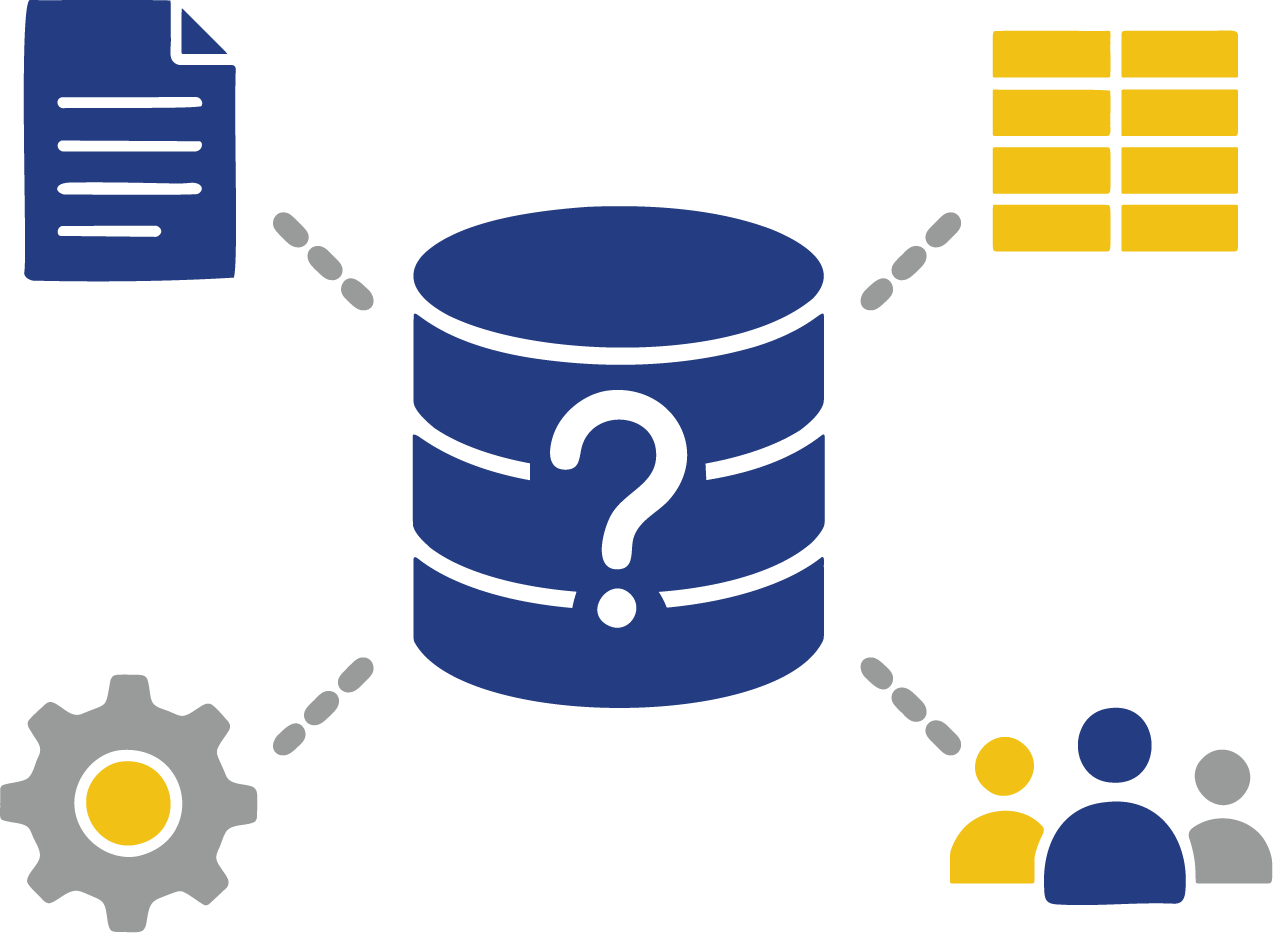
Data and information spread across departments, tools, and formats
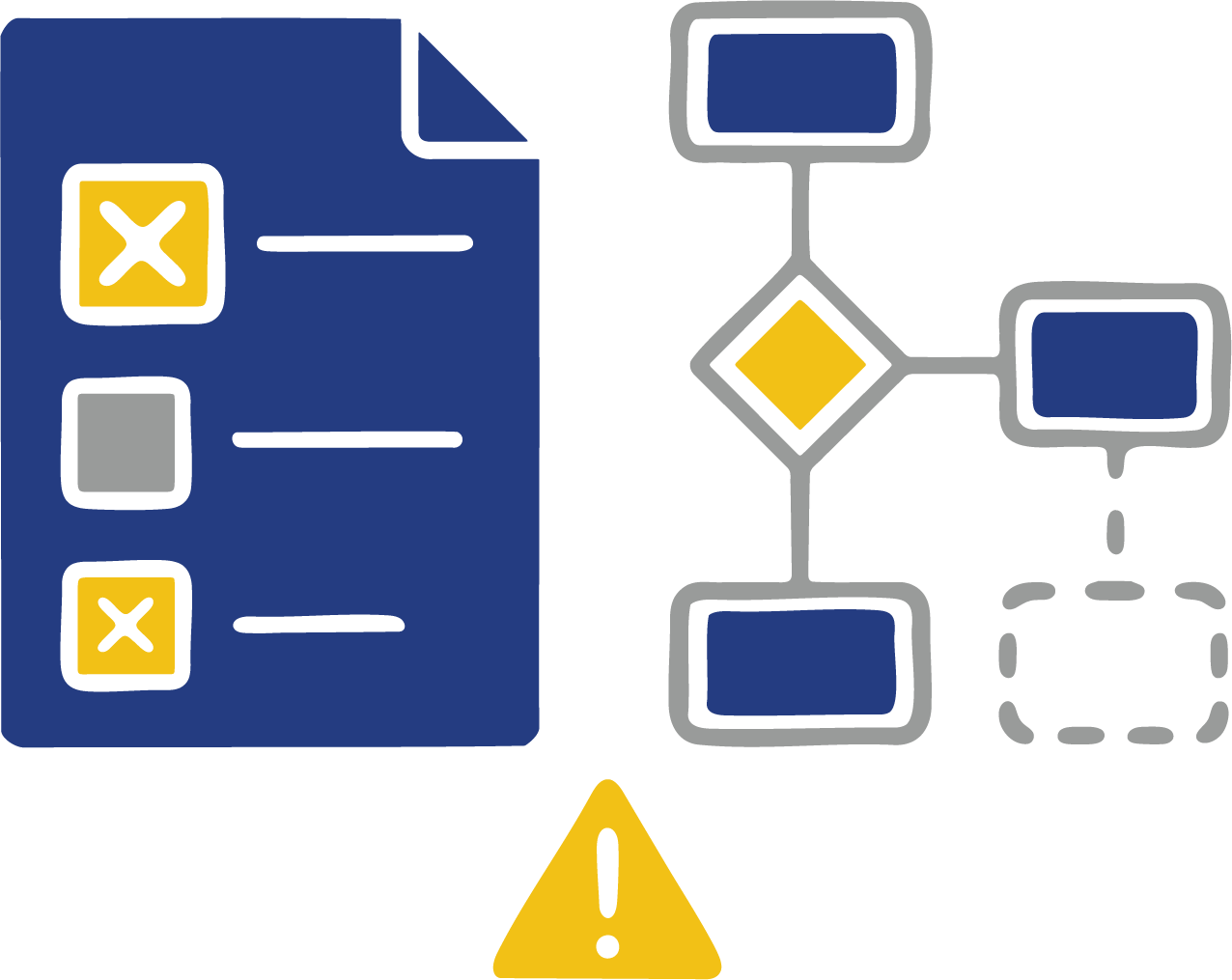
Incorrect, inconsistent, and incomplete models and requirements
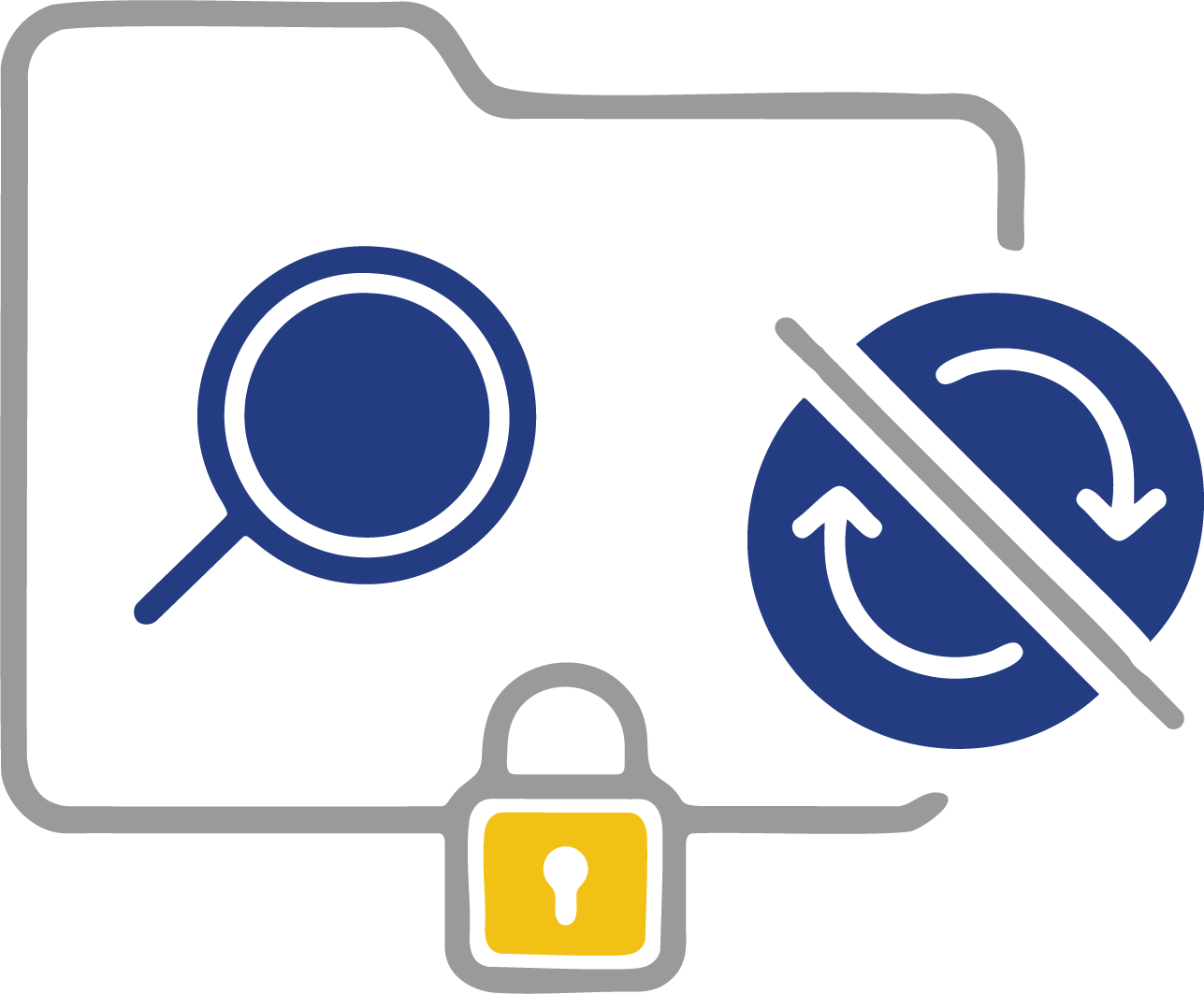
Limited capabilities to find, access, transform, and reuse existing assets

High complexity and manual effort are required to establish an SE lifecycle measurement baseline
Teams spend more time searching, fixing, moving, and recreating data than engineering
Systematic Systems Engineering (SE) Reuse – built upon connectivity to the existing tools ecosystem, modular patterns, reference architectures and requirements, and pre-validated and qualified assets – directly addresses the core bottlenecks of modern systems development
AI-Powered Systems Engineering Reuse
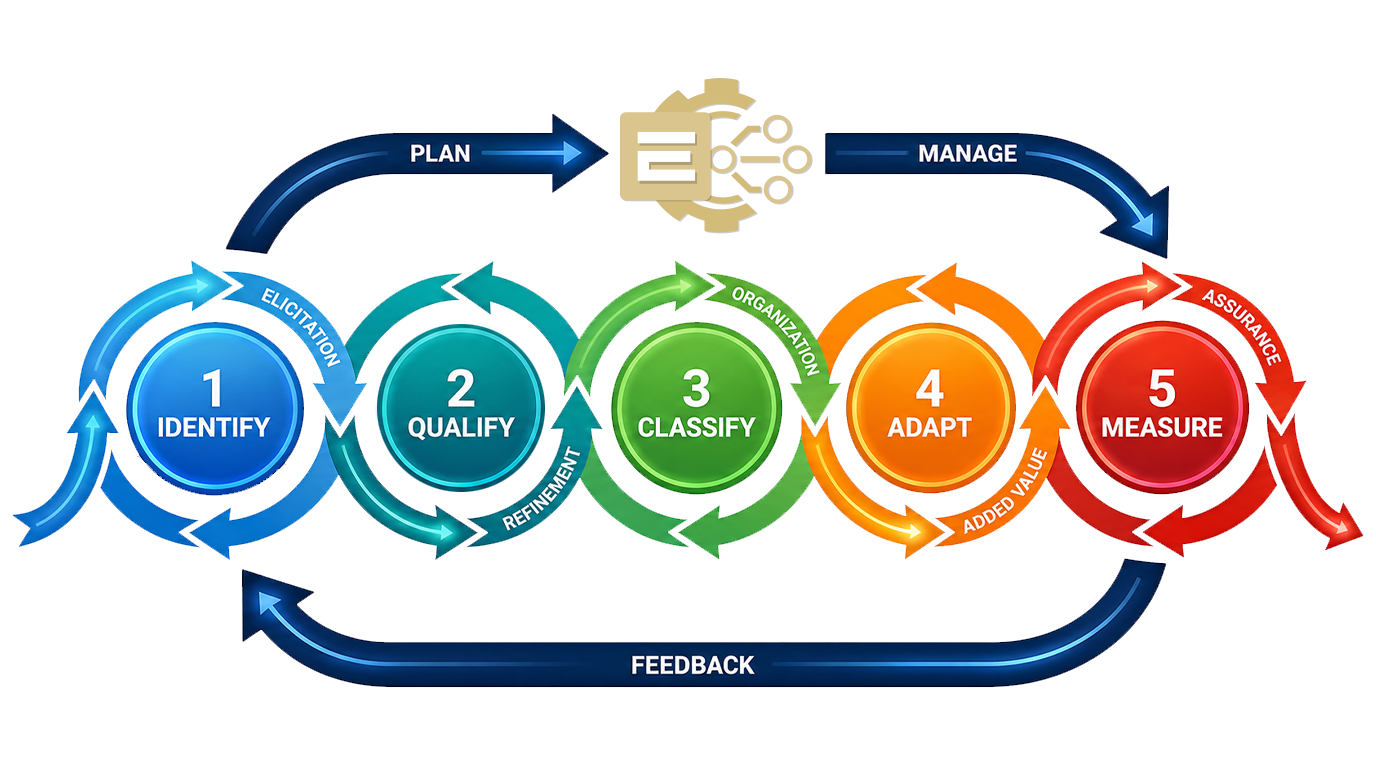
Use Cases
Discover Engineering Knowledge
Identify Reusable Assets and Features
Get the most out of AI to discover, identify, capture, and manage term glossaries, xBS, requirements, architectures, model templates, PLE structures, and other reusable artifacts from the information inside your tools’ ecosystem. Examples:
- Structure glossaries, relationships, and requirement patterns
- Build ontologies automatically with AI
- …
Assure Engineering Quality
Qualify Engineering Items
Use AI to assure and manage correctness, consistency, completeness, and traceability of the requirements, models, documents, etc. in your tools’ ecosystem. Manage the quality, traceability, and V&V processes. Examples:
- Integrate engineering tools into a unified quality framework
- Evaluate architecture and model quality
- …
Organize & Find Engineering Knowledge
Classify and Find Assets and Engineering Items
Find any existing work products produced during your engineering processes and navigate the traces to identify reusable knowledge. Examples:
- Implement a semantic assets repository
- Enable semantic search across engineering data
- …
Enable Interoperability and Reuse
Connect, Adapt, and Interoperate Information Across Engineering Tools Across Projects
Connect to your supplier’s (or OEM’s) model, independently of the tool used, and merge it with your own model in your own tool. Make AI work for you. Examples:
- Synchronize and transform models across standards
- Automate architecture trade-off analysis
- …
Measure Engineering Performance
Measure Quality, Reuse, Traceability, and Engineering Performance Across the Lifecycle
Calculate and monitor the various Indicators for your complete engineering project by aggregating the defined measures across all corresponding requirements, models, designs, etc. Examples:
- Build real-time engineering scoreboards
- Automate KPI, MOP, and TPM calculations
- …
An AI Platform for Systems Engineering Reuse
SES ENGINEERING Studio connects your tools ecosystem into a semantic layer that enables reuse, quality assurance, interoperability, and measurement.
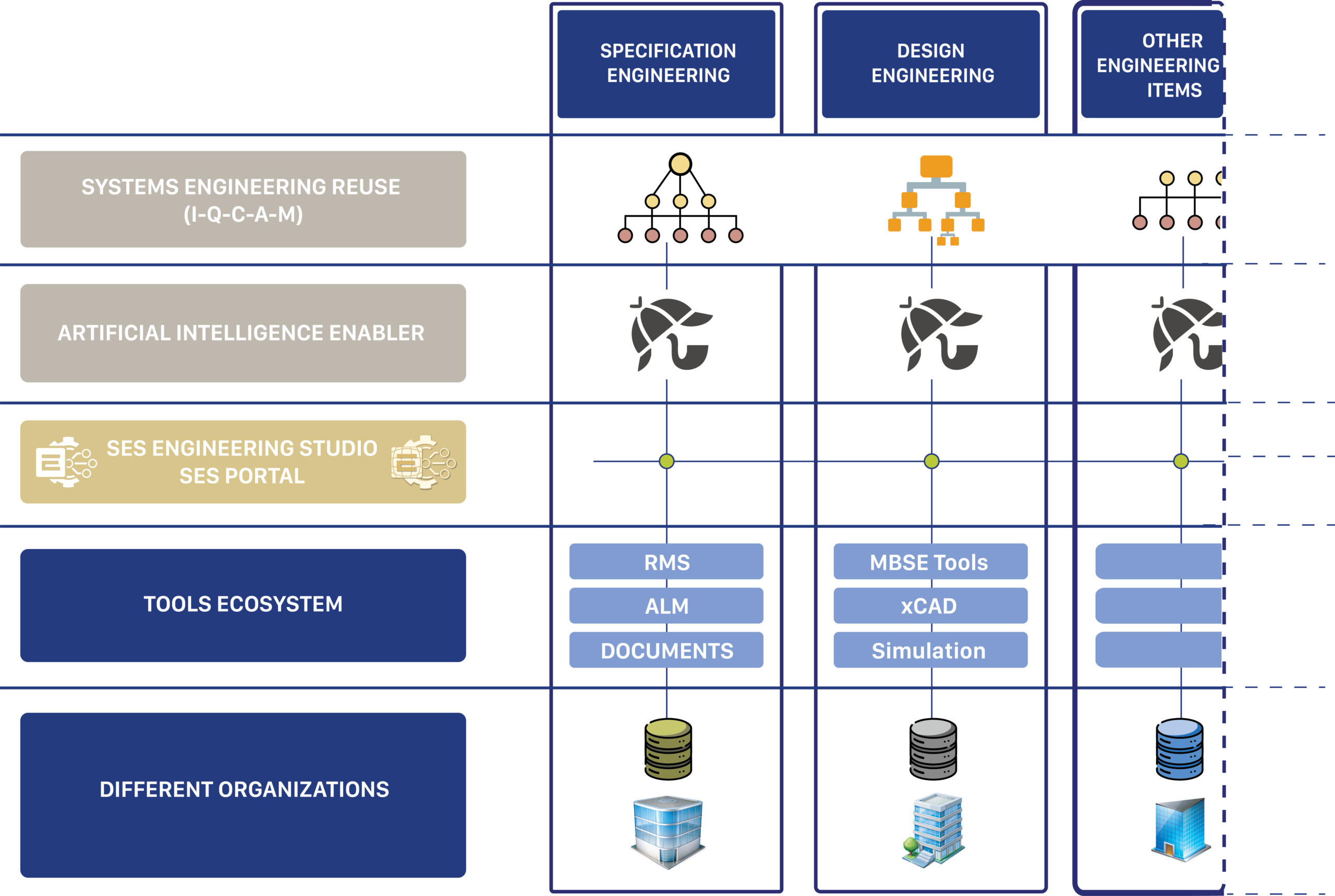
Identify Reusable Assets
Qualify: Assure Quality
Classify and Find Assets
Adapt, Interoperate and Transform
Measure
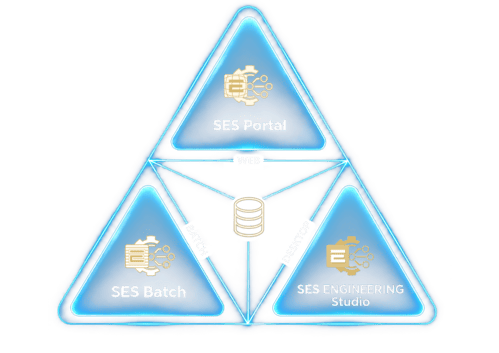
Powered by the Systems Engineering Suite (SES)
An AI-enabled platform for engineering lifecycle management, reuse, and interoperability.
→ Tool-agnostic integration
→ Semantic knowledge base
→ AI-powered automation
→ Full lifecycle traceability

Identify Reusable Assets and Features
KM - KNOWLEDGE Manager
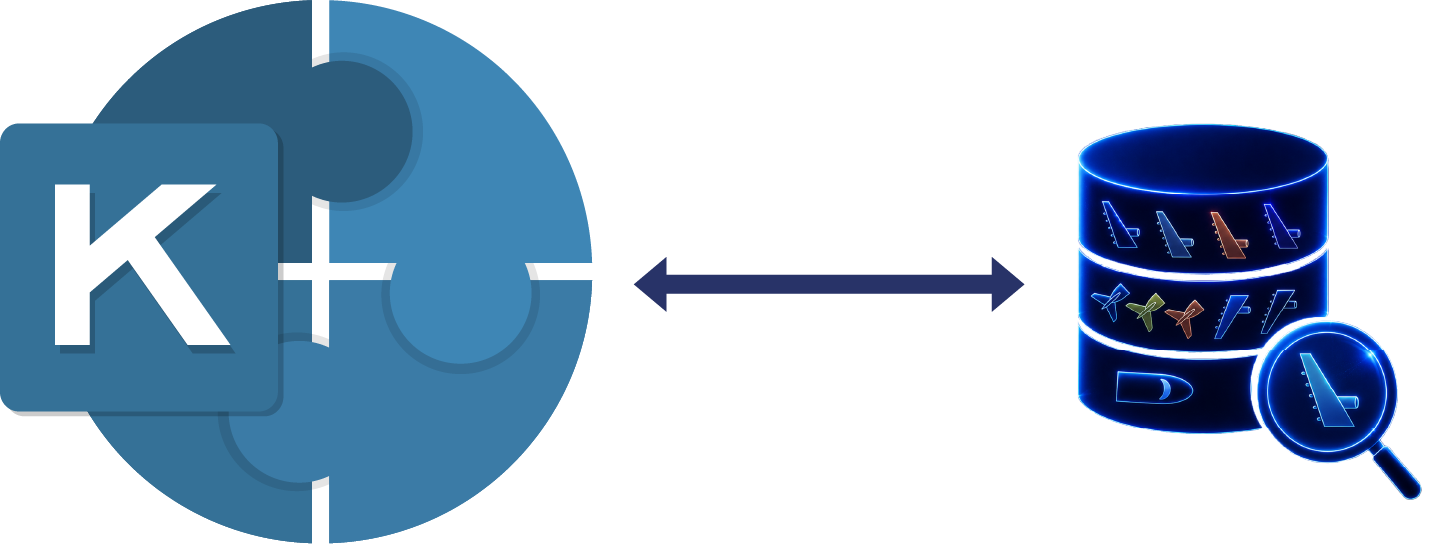
Manages the system’s knowledge base. Uses AI to identify reusable assets.

Assure the Quality of Reusable Assets
RQA – QUALITY Studio
Assesses the quality and technical management of any engineering work-product.
ACQUISITION Studio
Manages and digitalizes the acquisition process of any complex system.

Classify and Find Assets
Semantic Search Engine

Classifies all produced assets within the lifecycle, enabling identification, search and access.
Preservation Studio
Long-term archiving, obsolescence detection, and tool migration with no information loss.
Enable Interoperability and Reuse between Engineering Artifacts and Assets
INTEROPERABILITY Studio
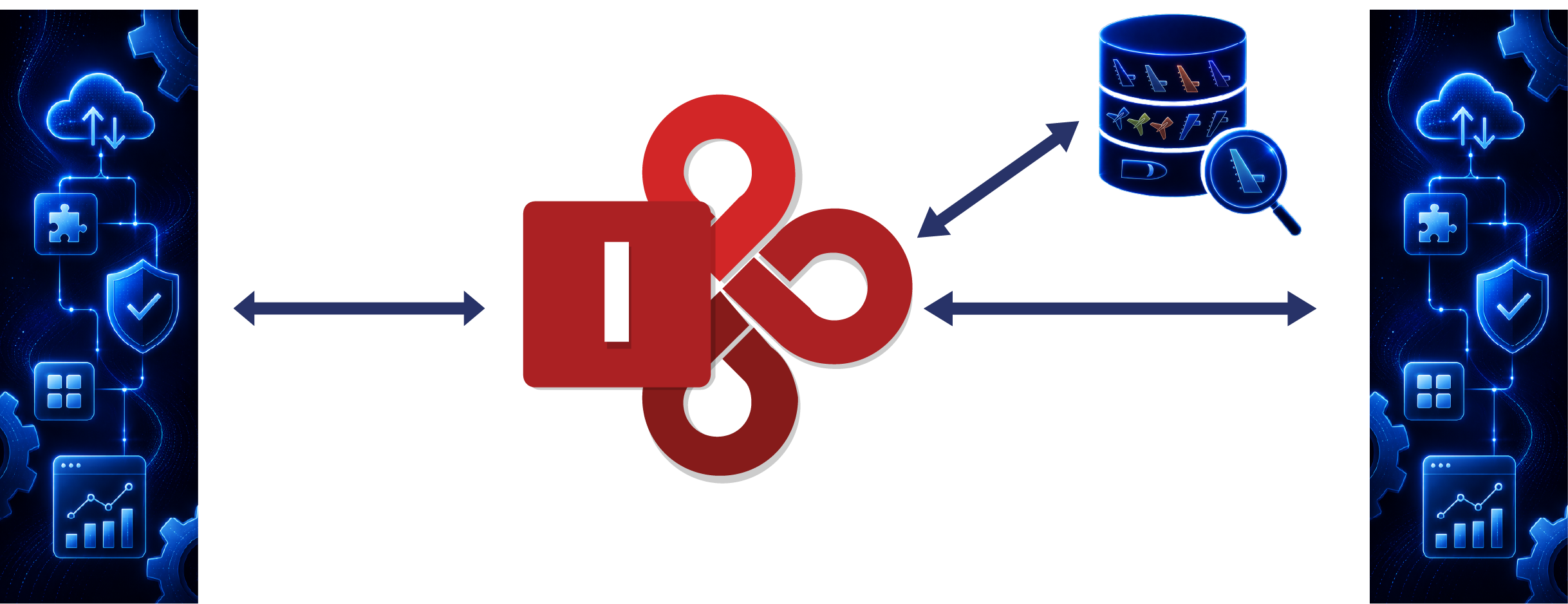
Smart transformation of engineering work-products between any SE tool or environment.
RAT - AUTHORING Tool
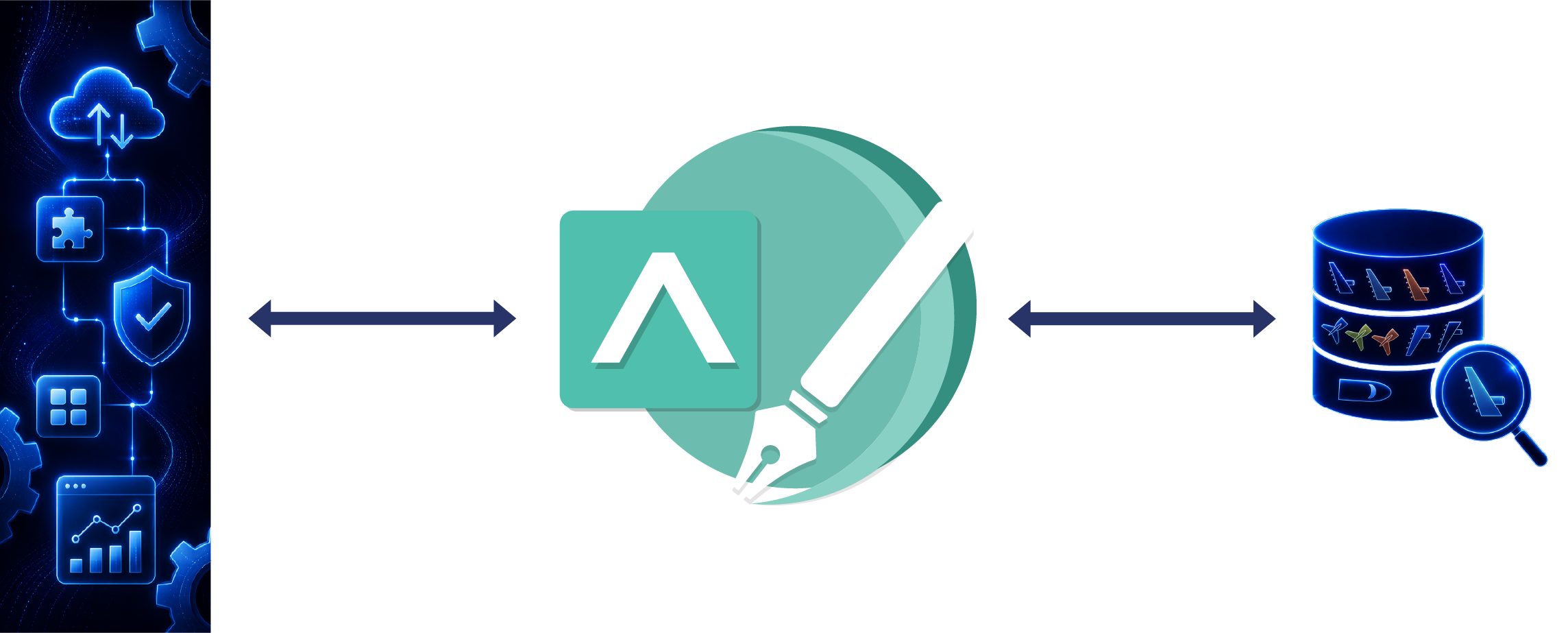
Enables AI-guided authoring to ensure terminology coherence and textual/models’ correctness, consistency, and completeness.
MBSE Modeler
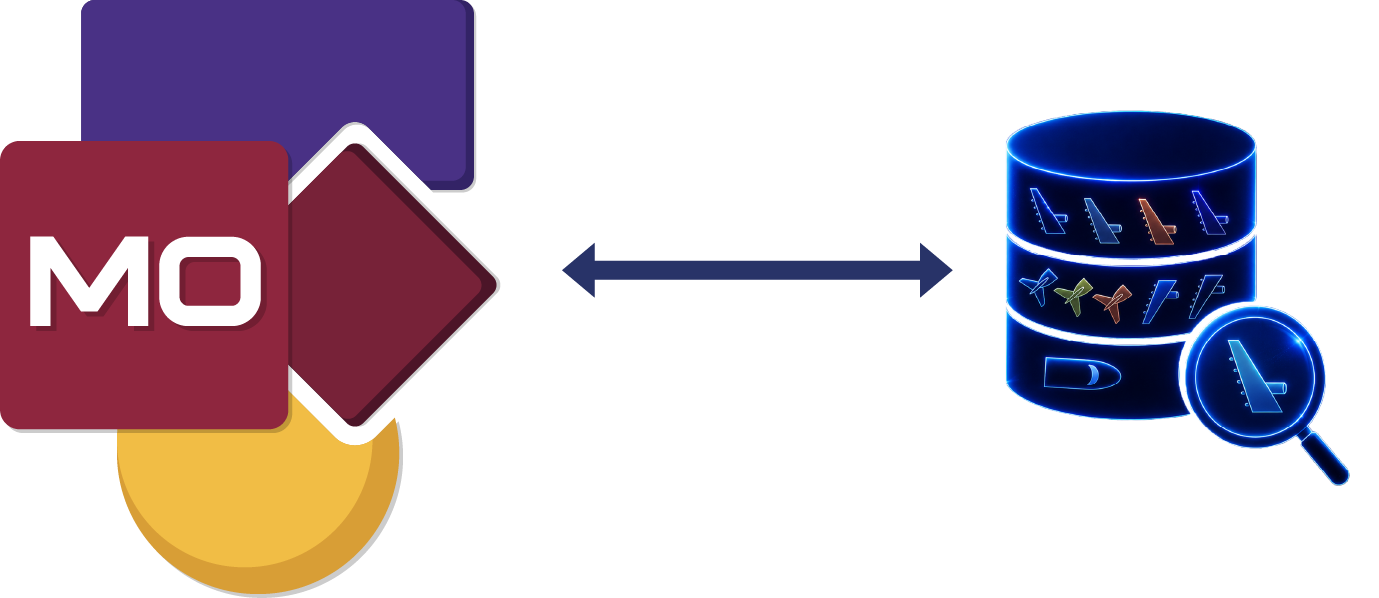
Produces SysML V2 models in a simple, collaborative, and easy manner, connecting with the rest of the SES ENGINEERING Studio capabilities. Makes SysML V2 models reusable.

Measure Systems Engineering And Reuse
Measurement Studio

Quality scoreboards, MOE / MOPs / TPM / KPIs calculated automatically from engineering information.
Deploy Without Disrupting Your Tools, Just Solving Existing Problems
1. Connect your engineering tools
2. Build a semantic knowledge layer

3. Automate quality, reuse, and metrics
4. Scale across teams and programs

No tool replacement required
Built for Complex Systems Engineering
Trusted by engineering teams in aerospace & defense, automotive, railway, energy, and telecommunications. Supports ISO 15288 compliance, MBSE, and Digital Engineering.
We typically set aside 6 months for appeals from competing bidders after awarding a Contract. This time, there were no appeals due to excellent quality, traceability, and transparency in the Acquisition Phase. The project could start immediately after Contract Award.
We have successfully used RQA – QUALITY Studio to analyze and track requirements quality over time in different defense acquisition projects. SES ENGINEERING Studio and Acquisition Studio are being used with DOORS RM DB to manage requirements and systems engineering tasks from RFQ preparation to verification and validation, including supplier data exchange, bidder evaluation, negotiations, and contracting.
Effective system engineering needs to have an interoperability framework that removes confusion and ambiguity. The REUSE Company’s SES ENGINEERING Studio is such a framework.
Ready to Scale Engineering Reuse
Across Your Organization?
Join leading aerospace, automotive and defence teams already using SES ENGINEERING Studio.