How can we build a Model library in SES ENGINEERING Studio, to enable Reuse?
1. What are the key objectives of creating a Model library?
The primary goal of developing a Model Library in SES ENGINEERING Studio is to establish a reusable, consistent, and interoperable collection of model elements that support system architecture, traceability, and engineering governance.
Instead of focusing on requirements, the Model Library aims to provide standard building blocks – such as system entities, behaviors, interfaces, and constraints – that reflect industry standards and organizational best practices.
This ensures that system models remain coherent, traceable, and easily extensible across programs and product lines.
2. What problems does a Model library solve?
Engineering teams often work with fragmented models that differ across projects, leading to:
- Inconsistent definitions of system elements, functions, or interfaces
- Difficulty maintaining traceability across lifecycle artifacts
- Recreating similar models repeatedly for each new system
- Limited interoperability between tools or engineering disciplines
- Poor alignment with standards or architectural frameworks
A structured Model Library eliminates this fragmentation by providing authoritative, reusable modeling elements that reduce ambiguity and strengthen engineering consistency.
3. How does a Model Library improve modeling activities and lifecycle traceability?
A Model Library acts as a centralized knowledge base that standardizes how models are constructed and how information flows across the lifecycle.
Key components and benefits include:
- Accepted system elements for consistent decomposition and architecture development
- Standard interface model elements that enforce consistent system interactions
- Behavioral and functional patterns that guide how systems are defined and analyzed
- Traceability structures that link requirements, design elements, constraints, and verification artifacts
- Interoperability definitions ensuring alignment with external tools and engineering domains
- Model quality rules that support early validation and reduce modeling errors
Together, these components streamline model creation, improve engineering rigor, and enable full lifecycle traceability.
4. How can a Model library be created?
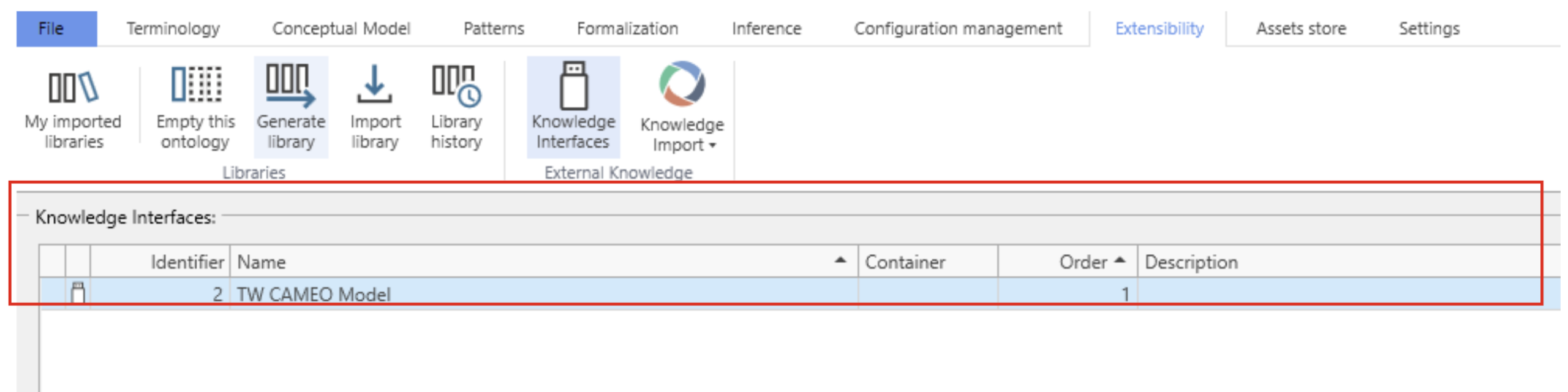
A structured workflow ensures that model elements remain consistent, scalable, and aligned with standards:
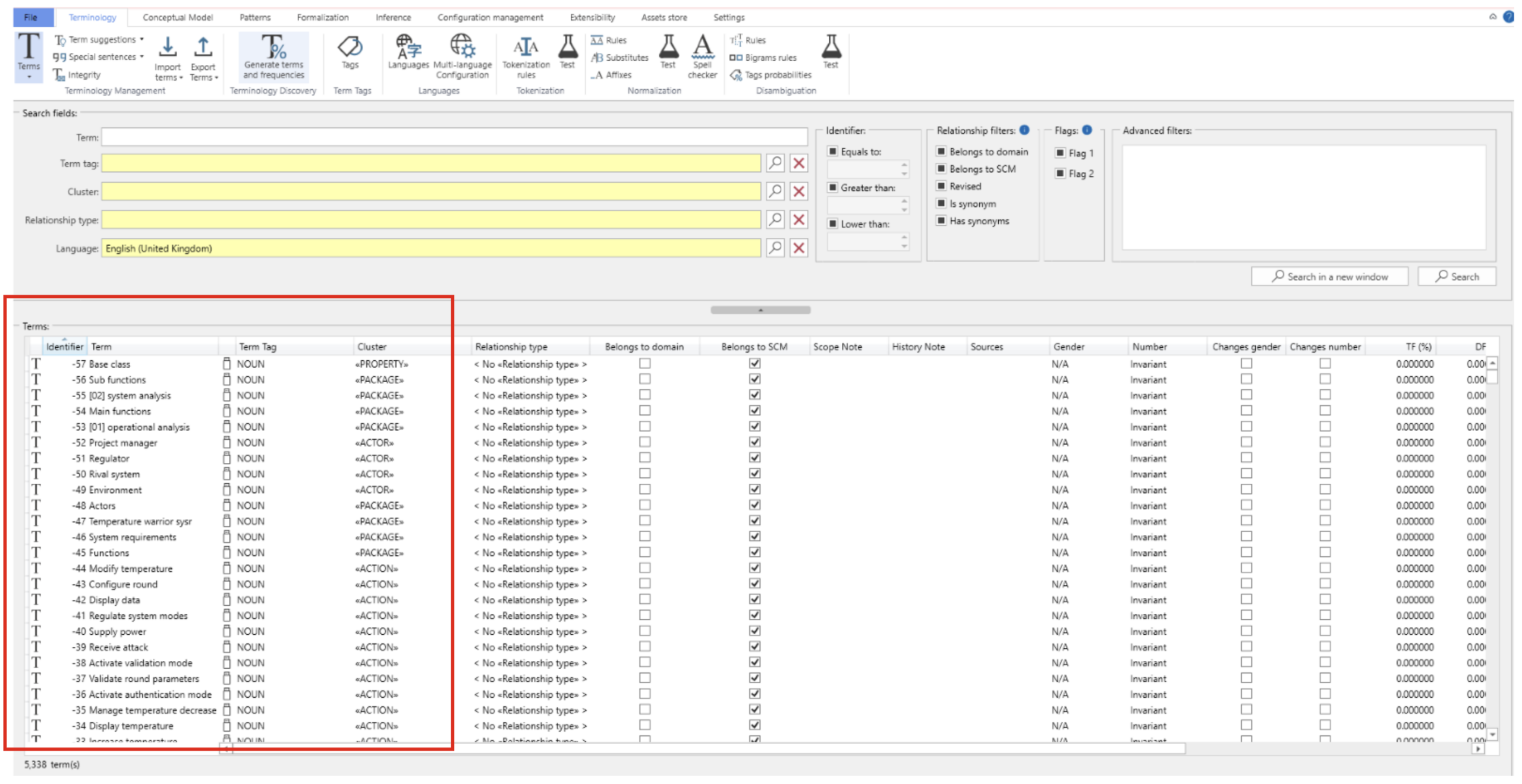
- Extraction of Core Concepts
Identify important architectural elements, system functions, interfaces, and constraints from standards and organizational practices. - Concept Clustering & Domain Structuring
Group related concepts into domain clusters or subsystems to form a logical architectural hierarchy.
3. Definition of System Breakdown Structures (PBS/FBS/IBS)
Establish standard decompositions such as:
4. Development of Model Patterns & Templates
Define reusable modeling patterns such as:
- System/function definition pattern
- Interface specification pattern
- Behavioral or state machine structures
- Constraint and parameter definition templates
5. Model Quality Metrics
Introduce rules and metrics that ensure structural consistency, naming quality, completeness, and compliance with modeling standards.
This systematic method ensures interoperability, traceability, and scalability throughout the engineering lifecycle.
5. What benefits does a Model Library deliver to customers?
A Model Library provides significant value across engineering, architecture, and verification activities:
- Improved consistency across models and teams
Standard elements eliminate modeling variations and misalignment.
- Enhanced traceability
Structured relationships ensure strong linkage between requirements, design, analysis, and verification.
- Interoperability across tools
Harmonized model structures support smoother integration with MBSE, PLM, simulation, and verification environments.
- Faster model development
Reusable templates and structures accelerate architecture definition and design iterations.
- Reduced errors and improved model quality
Built-in quality rules detect structural or semantic issues early.
- Scalability and reuse across product lines
Organizations can reuse standardized architecture elements, ensuring harmonization across projects.
Related Links